South Bronx Locksmith Service Team
Local locksmith team
Jun 18, 2026 12 min read
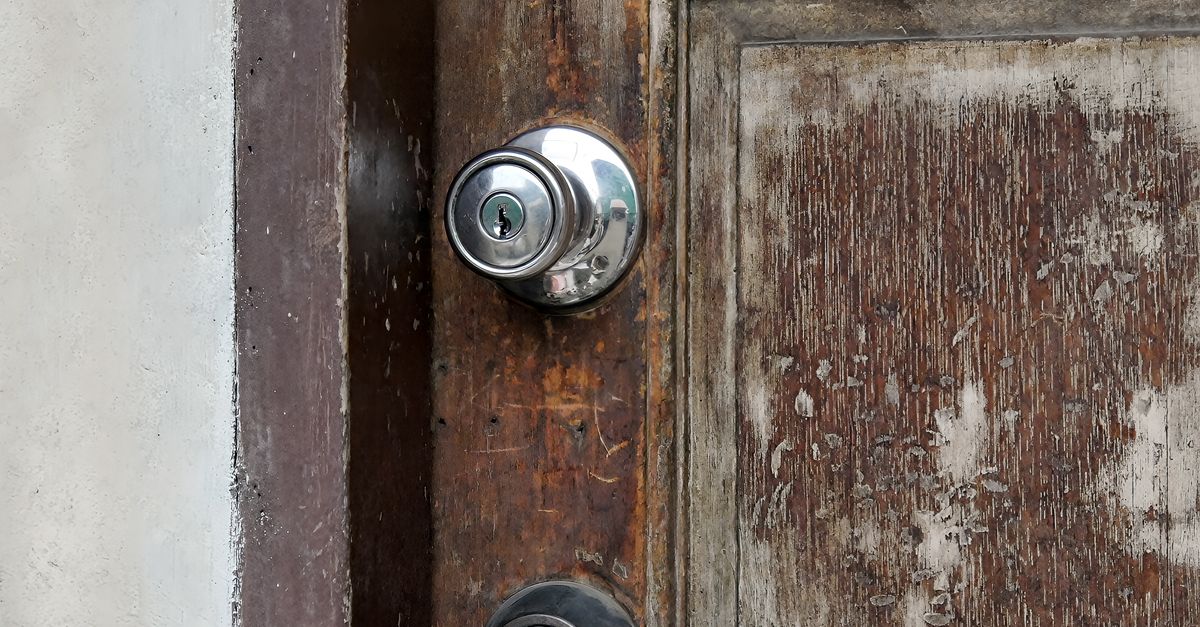
If your front door suddenly feels like it's fighting back — grinding when you turn the key, refusing to latch properly, or just plain stuck — your mortise lock is trying to tell you something. These heavy-duty locking mechanisms are built into the door itself rather than bolted onto the surface, which makes them incredibly strong and long-lasting. But that same complexity means when something goes wrong inside the lock body, the symptoms can range from mildly annoying to completely locking you out of your home or building. The good news: some causes of a sticky or seized mortise lock are genuinely DIY-friendly. Others are a sign you need a trained locksmith before the problem gets worse.
South Bronx Locksmith is a 24/7 mobile locksmith serving The Bronx, NY — from the Grand Concourse corridor down to Mott Haven and over to Hunts Point. This guide walks you through the most common reasons a mortise lock sticks, what you can safely try yourself, and the clear warning signs that it's time to call in a professional instead of forcing a fix that could damage an expensive lock set — or leave you locked out on a cold Bronx night.
## What Is a Mortise Lock — And Why Is It More Complex Than a Standard Door Knob Lock?
A mortise lock is a lock body that sits inside a precisely cut pocket (the 'mortise') carved into the edge of the door, rather than sitting on the surface the way a cylindrical door knob lock does. The assembly includes the lock body itself, a mortise lock cylinder (the part your key actually turns), a faceplate along the door edge, and an escutcheon plate covering the interior hardware. High-end residential and commercial brands like Baldwin mortise lock systems and Corbin Russwin mortise lock hardware are built for decades of use — you'll find them on older prewar apartment buildings throughout the South Bronx, on brownstone entry doors in Melrose and Longwood, and on commercial storefronts along Third Avenue and Southern Boulevard.
Because so many moving parts live inside that single housing — the cam, the bolt, the deadbolt, the spindle, levers or knobs, springs, and the cylinder itself — there are more points of potential failure than in a simple knob-and-deadbolt setup. That complexity is worth understanding before you reach for a screwdriver, because misidentifying the cause of a sticky lock often makes the underlying problem worse.
## The 5 Most Common Reasons Your Mortise Lock Sticks
Dry or degraded lubrication is the single most frequent culprit. The internal cam and bolt mechanism depend on smooth, consistent lubrication, and in The Bronx's climate — hot and humid summers followed by dry, freezing winters — that lubricant breaks down faster than you'd expect. Dirt and grit from street traffic can also work their way through the keyway and into the cylinder, turning old grease into an abrasive paste. The safe DIY fix here is dry graphite powder or a Teflon-based spray applied directly into the keyway and around the faceplate bolt. Avoid WD-40 as a long-term solution — it displaces moisture short-term but leaves a residue that attracts more grit over time. Misalignment between the lock body and the door frame strike plate is the second most common issue, and it's one of the sneakier ones because it often develops gradually as a building settles. In older Bronx apartment buildings and brownstones, seasonal wood expansion, decades of humidity cycles, and the natural movement of masonry can cause a door to shift just enough that the bolt no longer lines up cleanly with the strike. You may notice the bolt feels springy or catches slightly before retracting — that friction is the bolt edge dragging on the edge of the strike plate opening. Minor misalignment can sometimes be corrected by carefully filing the strike plate opening slightly wider, but if the door itself has shifted significantly, that work requires a skilled locksmith to assess properly.
A worn or damaged mortise lock cylinder is another major cause of stiffness or failure. The cylinder is the tumbler-based insert your key engages — and after years of daily use, the pins and springs inside can wear down, causing the key to turn with increasing difficulty or not at all. If you've noticed your key needs to be 'jiggled' or lifted to turn, the cylinder is likely the issue. Cylinder replacement is precise work: the new cylinder must match the existing lock body's cam and tailpiece configuration, which varies between manufacturers. A trained locksmith can source the correct replacement and install it without disturbing the rest of the mortise lock set. Spring failure inside the lock body is less visible but just as disruptive. The springs that return the bolt and latch to their resting position can fatigue and break, leaving the bolt partially extended or causing the lever/knob to feel loose and unresponsive. This is not a DIY fix — accessing the spring mechanism requires removing the lock body from the mortise, which on a quality mortise lock set exterior door installation means carefully managing the faceplate screws, the cylinder, and the interior trim without damaging the door edge. Finally, rust and corrosion — particularly on exterior doors exposed to rain, snow, and salt — can seize the bolt mechanism almost entirely. If your lock feels stiff specifically in winter or after wet weather, corrosion is a strong candidate. Penetrating lubricant can sometimes free a mildly corroded bolt, but significant corrosion usually means the entire lock body needs to be replaced before the door becomes inoperable.
## Safe DIY Checks vs. When to Call an Emergency Locksmith
There are a handful of checks any homeowner can safely run before calling for help. Start with lubrication: apply graphite powder into the keyway and work the key in and out a dozen times to distribute it. Check whether the bolt extends and retracts smoothly with the door open — if it does but the problem only appears when the door is closed, that points to a strike plate alignment issue rather than the lock body itself. Inspect the faceplate screws to make sure nothing has loosened over time, and visually check the door gap along the edge — if it's uneven top to bottom, the door has likely shifted. These observations are genuinely useful information to share with a locksmith and can speed up diagnosis.
Call a professional when: the key turns but nothing moves (possible internal component failure), the lock feels gritty even after lubrication (internal debris requiring disassembly), the door won't close fully even with the bolt retracted (structural alignment issue), or the mortise lock cylinder has visible damage or won't accept the key at all. Forced DIY attempts on a seized mortise lock can snap a key inside the cylinder, strip the faceplate screw seats in the door edge, or — worst case — leave you locked out mid-repair with a disassembled lock. If you're in The Bronx and you're at that point right now, call us at (347) 708-8794 — we answer 24/7 and can be on-site the same day, day or night.
## What to Expect From a Professional Mortise Lock Service — Including Pricing Factors
A common question we hear is: 'How much is a locksmith in the Bronx?' or 'How much should locksmiths charge?' — and the honest answer is that the final quote depends on several specific factors. These include the type and brand of the mortise lock set involved (a Baldwin mortise lock or a Corbin Russwin mortise lock, for example, require model-specific parts that differ in cost and sourcing time), whether parts need to be ordered or are available on our truck, the time of day the work is requested, and travel distance within the service area. Questions like 'How much does a locksmith charge per hour?' or 'How much should an emergency locksmith cost?' come up constantly — and we understand why. What we commit to is giving you a clear, confirmed price before any work begins, with no surprise charges at the end. There is no benefit to searching 'Who is the cheapest locksmith' if the low-bid option causes further damage to an expensive lock body — the cost of a second visit or a full door-edge repair far exceeds the cost of qualified work done right the first time.
When our team arrives, we diagnose the specific failure point — cylinder, spring, bolt, alignment, or corrosion — rather than defaulting to a full replacement if it isn't needed. If a repair will hold properly, we'll tell you. If the lock body is genuinely past its service life, we'll explain why and discuss replacement options suited to your door, your security needs, and whether you'd benefit from a smart mortise lock upgrade that combines traditional mortise-body strength with keypad or app-based access. We work on residential doors, commercial storefronts, multi-unit building entries, and everything in between across The Bronx. As the local answer to 'Who is the best locksmith near me in Bronx, NY?', we bring the tools, parts, and hands-on experience to handle the full range of mortise lock repairs and installations on-site.
## Our Locksmith Service Includes — Full Range of What We Handle in The Bronx
South Bronx Locksmith is your local locksmith The Bronx, NY relies on around the clock. Our services cover far more than sticky locks — here's a specific list of what our mobile team handles every day across the borough: residential lockout service, commercial lockout service, mortise lock repair, mortise lock set installation, mortise lock cylinder replacement, door knob lock installation and repair, deadbolt installation and upgrade, high-security lock installation, master key system setup, lock rekeying (residential and commercial), apartment building entry lock service, smart mortise lock installation and programming, keypad lock installation, access control system service, car lockout service, automotive key cutting, transponder key programming, ignition repair and replacement, broken key extraction (door and ignition), duplicate key cutting, sliding door lock repair, gate lock installation and repair, mailbox lock replacement, padlock service, safe opening and combination changes, emergency board-up coordination, and post-break-in lock replacement and security assessment.
If you've ever been in that panicked moment — 'I can't open my car door, and I really need to rush somewhere' — we've got you. Our mobile units carry automotive lockout tools and key-cutting equipment so we can get you back behind the wheel without damaging your vehicle. The same goes for home lockouts: we verify ownership on-site and get you back inside using professional, non-destructive methods. We operate 24 hours a day, 7 days a week, including holidays — because lock emergencies don't keep business hours. Whether it's 2 AM on a Tuesday in Mott Haven or a Sunday afternoon on the Grand Concourse, call (347) 708-8794 and a real person picks up.
Frequently asked questions
Can I fix a sticky mortise lock myself without calling a locksmith?+
In some cases, yes. If the stiffness is caused by dried-out lubrication, applying graphite powder or a Teflon-based lubricant into the keyway and around the bolt faceplate can restore smooth operation without any tools. You can also safely check for minor strike plate misalignment by watching where the bolt contacts the strike when the door closes. However, if lubrication doesn't help within a few minutes of application, or if the key feels gritty or requires jiggling to turn, the problem is likely internal — a worn cylinder, broken spring, or internal corrosion — and attempting to disassemble a mortise lock without experience risks snapping a key inside, damaging the door edge, or making the lock inoperable entirely. At that point, calling a trained locksmith is both the safer and more cost-effective choice.
How long does a mortise lock typically last, and when should it be replaced rather than repaired?+
A quality mortise lock set — from brands like Baldwin or Corbin Russwin — is designed to last 20 to 30 years or more under normal use. The cylinder inside may need replacement sooner, especially in high-traffic doors, because the internal pins wear with each key insertion cycle. Signs that replacement makes more sense than repair include: visible cracking or deformation of the lock body housing, severe internal corrosion that has compromised the bolt mechanism, repeated failures even after professional servicing, or a lock that is no longer manufactured and for which replacement parts are unavailable. On older Bronx buildings with original prewar hardware, our team often assesses whether a quality modern mortise lock set — or even a smart mortise lock with keypad access — is a better long-term investment than repeated repairs on aged components.
Does South Bronx Locksmith provide 24/7 locksmith services, including for emergencies?+
Yes — 24 hours a day, 7 days a week, every day of the year. We operate as a fully mobile locksmith service across The Bronx, which means there is no storefront to close and no answering service taking messages overnight. When you call (347) 708-8794, a real team member picks up, takes your location and situation, and dispatches a technician to you directly. Emergency lockout calls — whether for a residential door, a commercial property, or a vehicle — are treated as priority dispatches. We understand that a lock failure at midnight is no less urgent than one at noon, and our response times reflect that.
Do you handle lock change and installation, not just repairs?+
Absolutely. Lock change and installation is one of the most common services we provide, both for homeowners upgrading their security and for property managers between tenants. For mortise lock set exterior door replacements specifically, we measure the existing mortise pocket, match the backset and case dimensions to the new lock body, and ensure the cylinder, escutcheon, and trim all fit the door properly before completing the installation. We also handle rekeying — if you've moved into a new apartment or lost a key, rekeying the existing cylinder is often more efficient than a full lock change while achieving the same security result. Whether you want a traditional keyed mortise lock, a smart mortise lock with electronic access, or a high-security cylinder upgrade, we assess your door and recommend the right option for your specific situation.